



The Bio-Chemical Advantage: How It Works
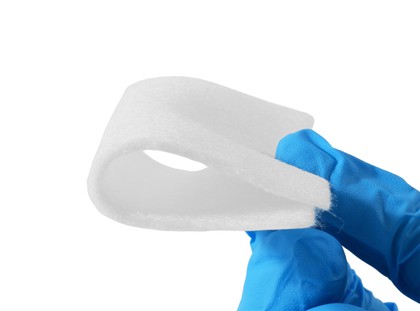
The primary distinction of a premium Calcium Sodium Alginate Wound Dressing lies in its sophisticated ion-exchange technology. Unlike traditional foam or gauze, these dressings are engineered using a specialized non-weaving process that creates a high-surface-area matrix of alginate fibers.
- Dynamic Gelling Phase: Upon contact with sodium-rich wound exudate, the calcium ions within the dressing are exchanged for sodium ions. This causes the fibers to swell and transform into a cohesive, hydrophilic gel.
- Optimal Micro-Environment: This gel doesn't just "soak up" fluid; it locks it away to prevent periwound maceration while maintaining a precise moisture balance that triggers autolytic debridement.
- Atraumatic Integrity: The gel maintains its structural integrity even when saturated, allowing for a "clean lift" during dressing changes. This prevents secondary trauma to the newly formed granulation tissue-a common failure point in cheaper alternatives.
Critical Clinical Indications
A professional-grade Calcium Sodium Alginate Wound Dressing is specifically indicated for wounds where moisture control and tissue protection are paramount:
- Managing High-Exudate Chronic Wounds: Ideal for Stage III and IV pressure ulcers and stubborn venous leg ulcers.
- Hemostatic Support: The presence of calcium ions helps facilitate the natural coagulation cascade, assisting in the control of minor bleeding in traumatic or surgical wounds.
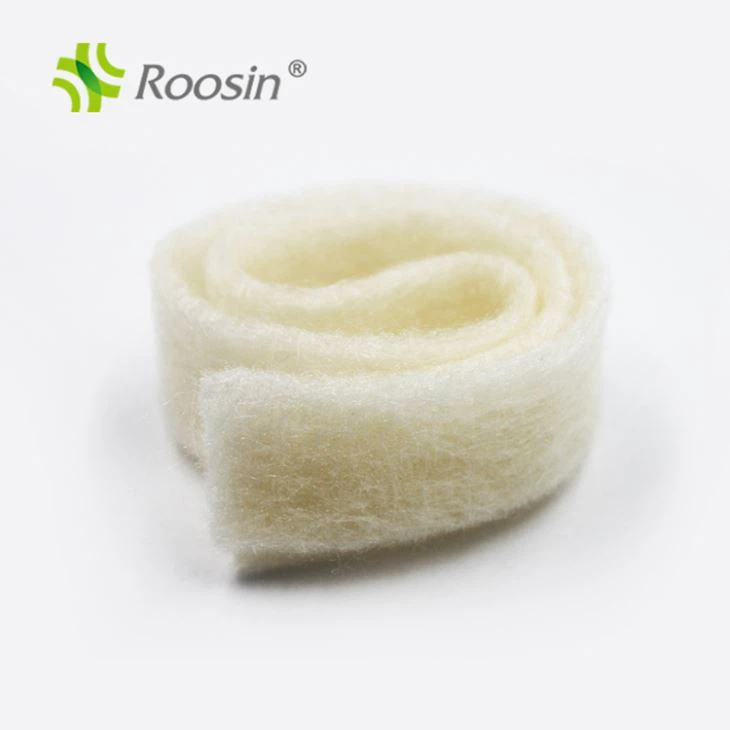
- Deep Cavity Packing: Available in both sheet and rope formats, its flexible nature allows it to fill "dead space" in tunneling wounds, ensuring the gel reaches every part of the wound bed.
- Infection Risk Mitigation: Its unique fiber structure offers an inhibitory effect on localized bacteria, providing a safer environment for compromised patients.
Best Practices for Application and Removal
To maximize the efficacy of your Calcium Sodium Alginate Wound Dressing, clinicians should observe the following:
- Preparation: Irrigation with sterile saline is recommended prior to application.
- Size Selection: Select a sheet that covers the wound area. For cavity wounds, use the Alginate Rope (2g/30cm) for effortless packing.
- The Secondary Layer: As a primary dressing, it must be covered with a secondary absorbent layer or film to maintain the gel's moisture.
- Removal Technique: If the dressing appears dry upon inspection, simply re-hydrate with sterile saline before removal to ensure a painless, trauma-free experience.
Technical Specifications and Customization
As a specialized manufacturer, we move beyond the "one size fits all" approach. We provide a full spectrum of configurations tailored for hospital supply chains:
| Format | Standard Sizes | Clinical Use Case |
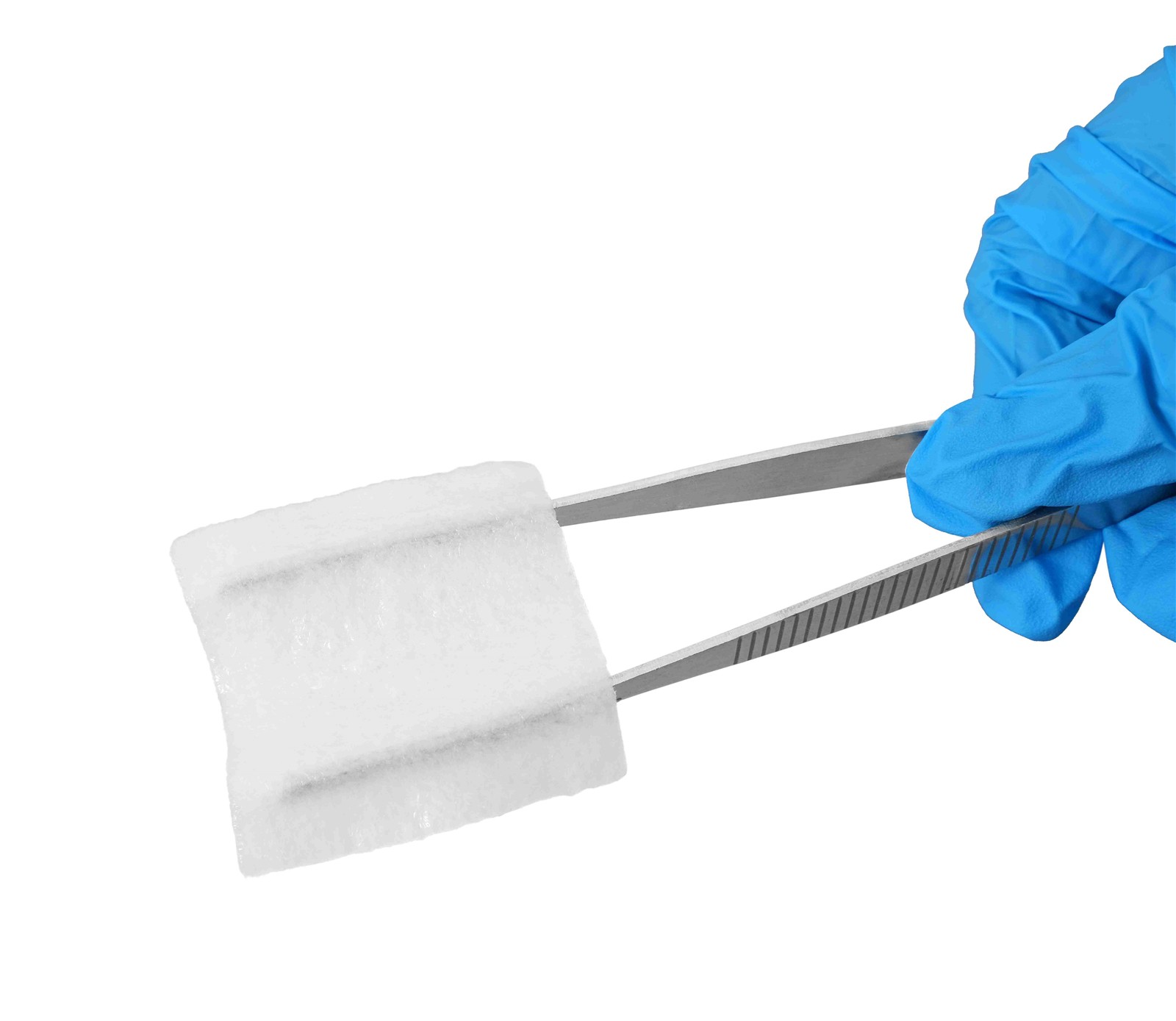
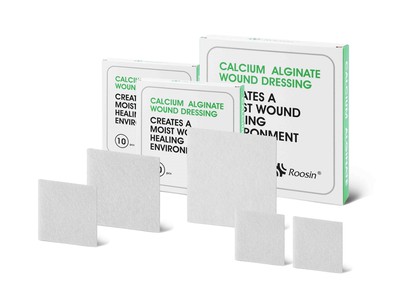
| Flat Sheets | 5x5cm, 10x10cm, 10x20cm | Surface ulcers, abrasions, and graft sites. |
| Reinforced Ropes | 2g x 30cm | Tunneling wounds and deep cavity packing. |
| Custom OEM | Bespoke sizes & Branding | Private label solutions for medical distributors. |
Hot Tags: Calcium Sodium Alginate Wound Dressing, China Calcium Sodium Alginate Wound Dressing suppliers, manufacturers, factory