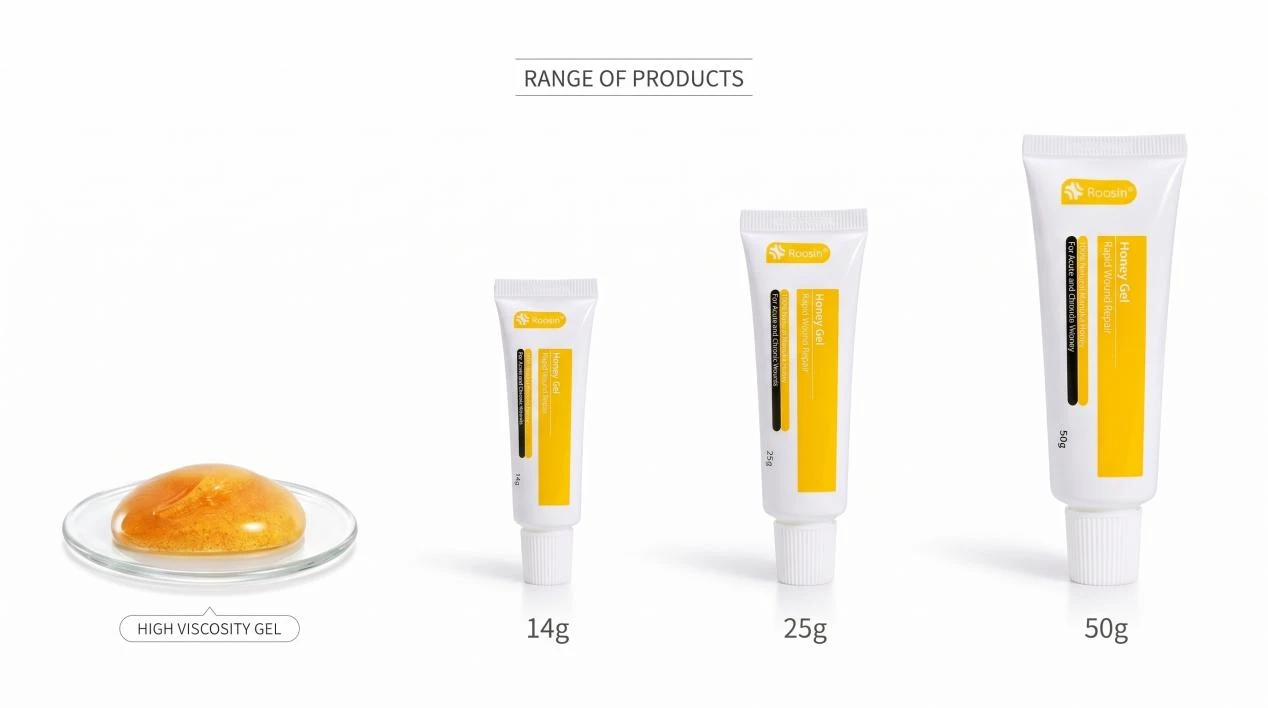

In modern clinical wound management, natural bioactive ingredients are increasingly paired with strict medical sterilization standards. Medical-grade honey gel-sterilized via gamma radiation and formulated specifically for topical tissue repair-has become a trusted solution for both acute and chronic wounds.
If you are wondering what manuka honey gel is good for, its primary role is to cover damaged skin surfaces and maintain an optimal moist environment that accelerates natural tissue regeneration.
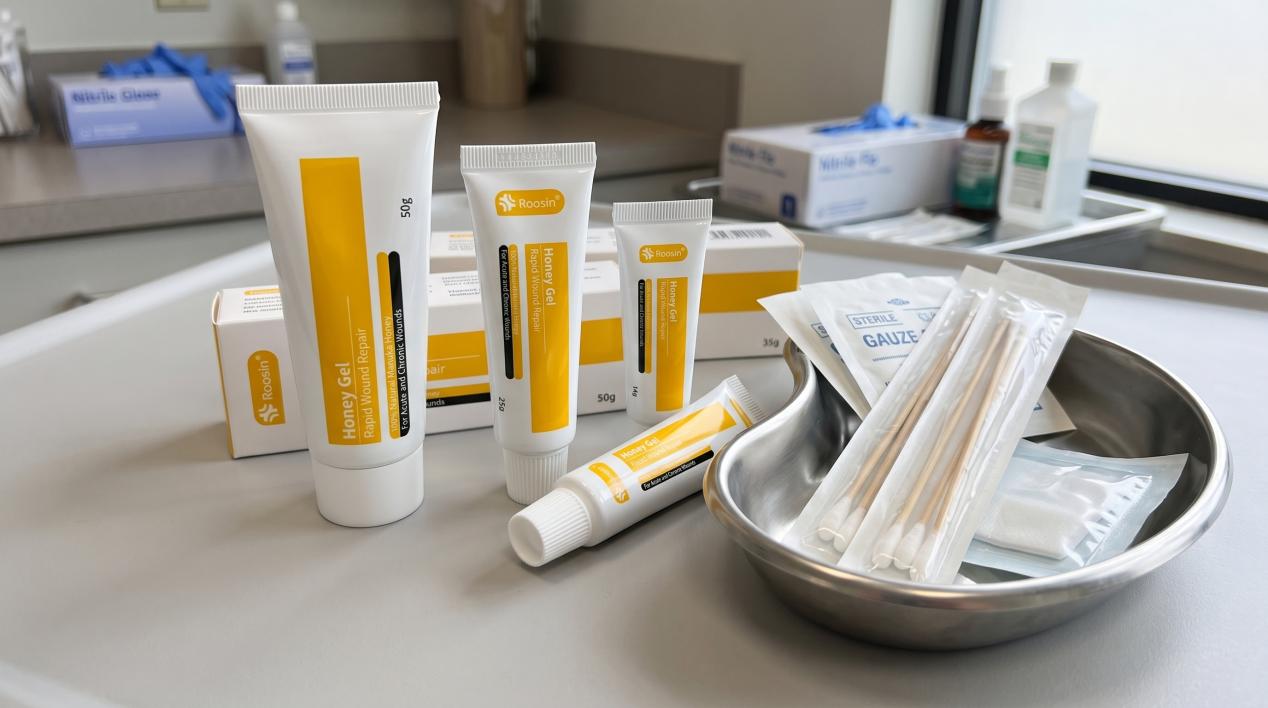
What Is Manuka Honey Gel Good For?
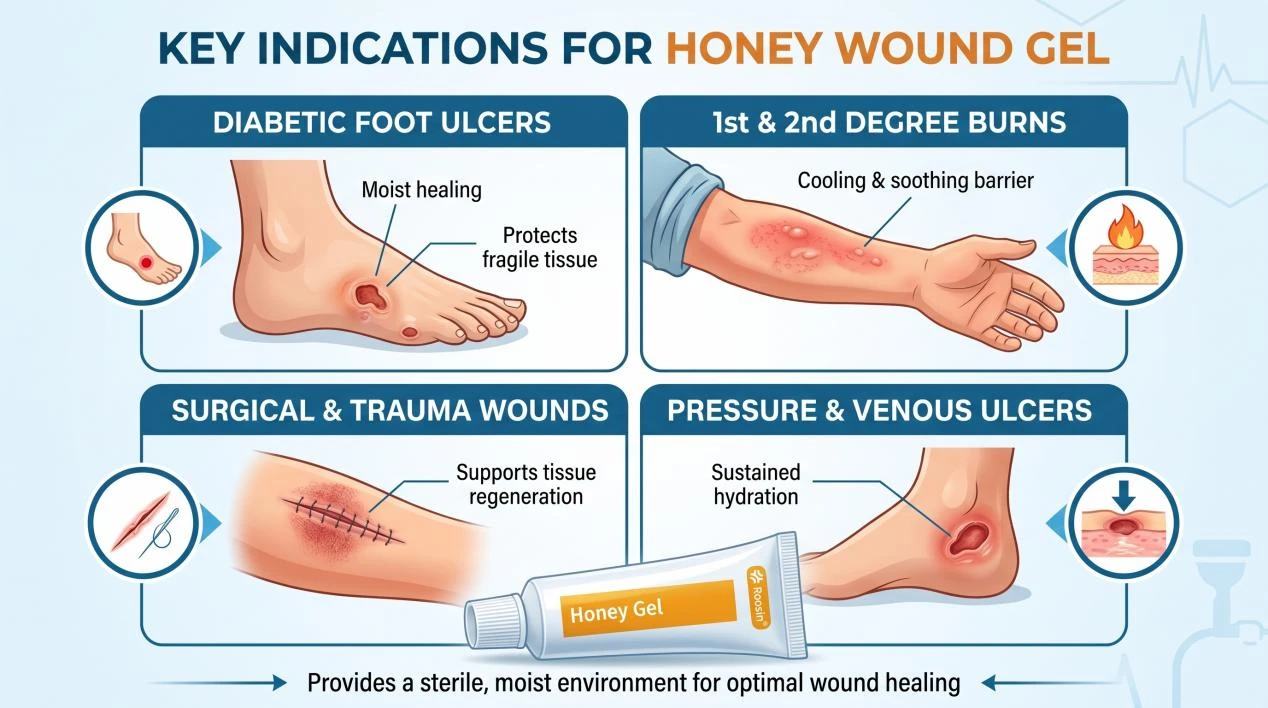
Medical honey gel is engineered to manage a wide spectrum of partial- and full-thickness surface injuries. Healthcare professionals and caregivers commonly use it for:
Chronic Ulcers: Effective for managing diabetic foot ulcers, pressure ulcers (bedsores), and venous leg ulcers.
Minor to Moderate Burns: Suitable for soothing and protecting first-degree and second-degree thermal burns and scalds.
Surgical and Trauma Wounds: Supports recovery in unhealed post-operative incisions, abrasions, and traumatic skin tears.
How Medical Honey Gel Promotes Wound Healing
Unlike kitchen honey, clinical wound gel undergoes rigorous purification and gamma irradiation after sealing to guarantee complete sterility and single-use safety. Its physical and chemical properties are specifically calibrated for damaged tissue:
Optimal Moist Wound Environment: With a controlled moisture content of ≤18.6% and a high viscosity between 8,000 and 40,000 mPa·s, the yellow-brown paste stays securely on the wound bed without running off.
Tissue-Compatible pH: Formulated within a pH range of 3.0 to 7.0, the gel supports a balanced microenvironment conducive to cellular repair.
High Purity Standards: Tested to ensure no visible impurities, low ash content (≤0.4%), minimal heavy metals (≤20 ppm), and strict bacterial endotoxin limits (≤4.0 EU/piece).
While tube gels are ideal for deep cavities or irregular wound beds, clinicians often pair them with or transition to honey sheet dressings. when treating flat, superficial wounds that require sustained contact and structural coverage.
Step-by-Step: How to Apply Honey Wound Gel
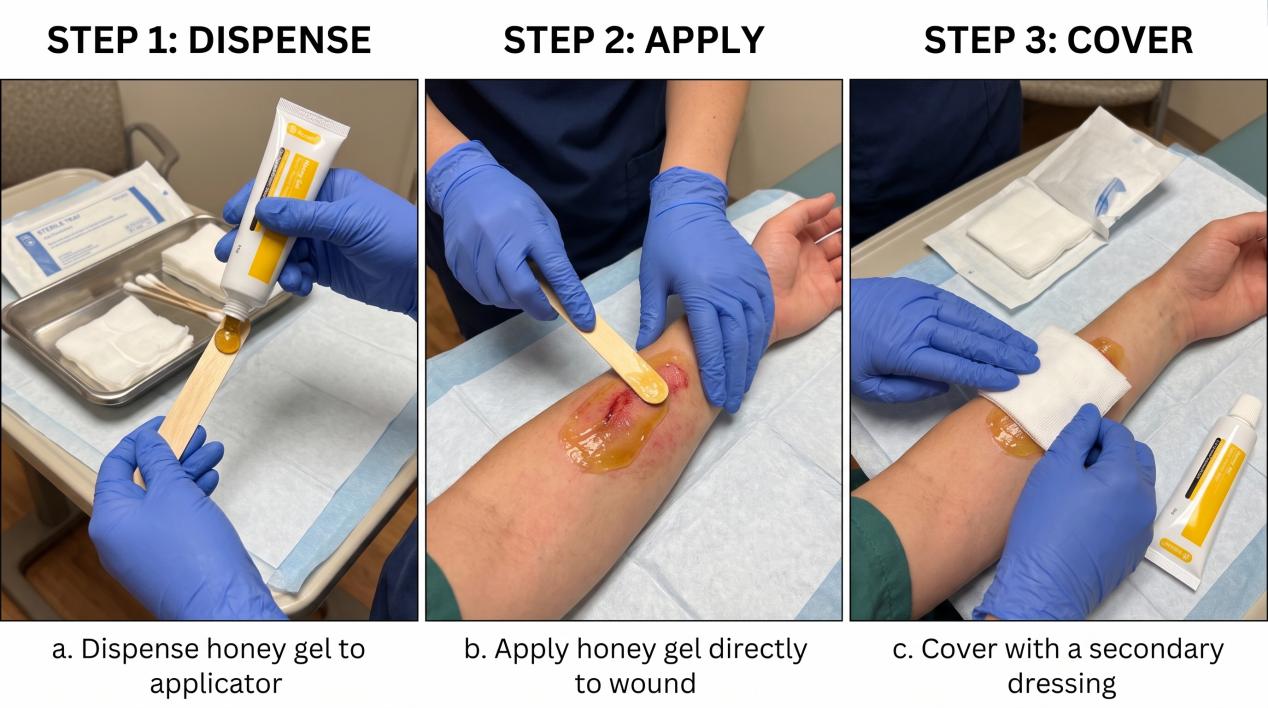
Proper application ensures the gel remains concentrated at the wound site and prevents trauma during dressing changes:
Dispense Hygienically: Squeeze the required amount of honey gel onto a sterile applicator, such as a tongue depressor, cotton swab (Q-tip), or gloved finger.
Apply to the Wound: Spread the gel directly over the damaged wound surface.
Cover with a Secondary Dressing: Place an appropriate secondary dressing over the gel, selected according to the wound bed's tissue type and exudate volume.
Monitor and Replace: Depending on exudate levels and surrounding edema, the dressing can remain in place for up to 7 days. Because wound fluid dilutes the gel over time, replace the dressing once the gel's color changes significantly.
Pain-Free Removal: Before removing, irrigate the wound bed gently with sterile saline solution to prevent pulling on fragile new tissue.
Contraindications and Safety Precautions
To ensure patient safety, medical honey gel must not be used under certain conditions:
Severe Burns: Do not apply to third-degree burns or deep full-thickness scalds.
Uncontrolled Bleeding or Severe Infection: Contraindicated for heavily bleeding (hemorrhagic) wounds or uncontrolled acute infections.
Honey Allergies: Avoid use in patients with a known allergy or sensitivity to honey or bee products.
General Usage Rules: For external, single-use application only (not edible). Never peel off a dried dressing by force; always moisten with saline first. Discontinue immediately if redness, itching, or rash develops.
Product Specifications and Storage
Medical honey gel is available in convenient single-use tube sizes-14g, 20g, 25g, 28.5g, 42.5g, and 50g-to accommodate varying wound dimensions. Store unopened tubes in a cool, well-ventilated area away from direct sunlight to preserve their 3-year sterile shelf life.